
Condensation and mould growth in your home
Less than 1 minute Minutes
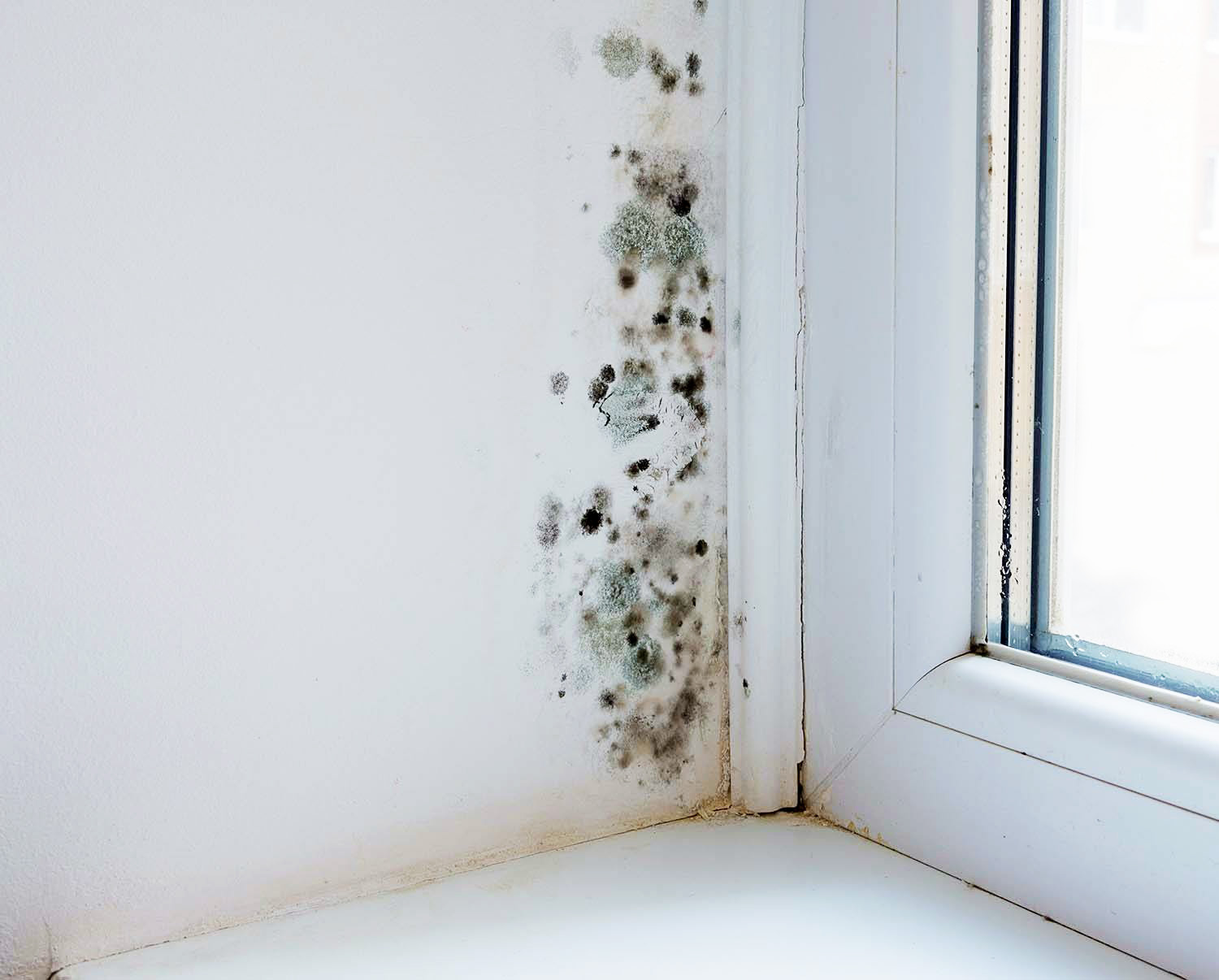
Condensation and Mould Growth in Your Home: A Practical Winter Guide for Tenants in Gloucester and Cheltenham
As the cold weather rolls in across Gloucestershire, many tenants notice familiar signs of winter: steamed-up windows, damp corners, and those unwelcome black spots that mark the return of mould.
They might seem like minor issues, but left unchecked, condensation and mould can cause damage to your home and affect your health.
Whether you rent a Regency flat in Cheltenham or a cosy semi in Gloucester, this guide breaks down what causes condensation, how to prevent mould, and what to do if the problem persists.
Because a warm, dry, and healthy home isn’t a luxury, it’s a necessity.
What Causes Condensation and Mould in Homes?
Condensation happens when warm, moist air hits a cold surface, think of windows, outside walls, or ceilings, and turns into water droplets.
During winter, when homes are kept warmer and windows stay shut, moisture builds up more easily.
Everyday life adds moisture too: boiling kettles, taking hot showers, drying clothes indoors, or even just breathing all release water vapour.
In older homes around Cheltenham and Gloucester, features like single-glazed windows, poor insulation, and limited ventilation can make matters worse.
When condensation lingers, mould quickly follows. It thrives in places with poor airflow, around window frames, behind furniture, or on bathroom ceilings. It’s more than an eyesore; it’s a signal that too much moisture is staying trapped inside.
Why It Matters; For Your Health and Your Home
Mould isn’t just unsightly; it can have real health implications.
Breathing in mould spores over time can irritate airways and trigger asthma or allergic reactions. The NHS warns that those with existing respiratory conditions, children, and the elderly are especially at risk.
It can also damage the home you live in, from peeling paint and damaged plaster to rotting wood and stained fabrics.
If you notice mould developing, report it promptly to your landlord or through the Property Maintenance page so it can be properly assessed.
Under the Homes (Fitness for Human Habitation) Act 2018, landlords are legally responsible for ensuring your property remains safe and free from serious damp and mould.
How to Reduce Condensation Day-to-Day
A little condensation is unavoidable in winter, but simple changes can make a huge difference.
Here’s how to reduce moisture and improve airflow in your home.
1. Reduce the Moisture You Produce
- Use lids on pans when cooking and switch on your extractor fan.
- Dry clothes outdoors or use a vented tumble dryer whenever possible.
- Avoid paraffin or portable gas heaters — they release moisture as they burn.
2. Contain Moisture at the Source
Keep doors closed when cooking, bathing, or showering to stop steam spreading.
Once you’ve finished, open a window or keep your extractor fan running for 15–20 minutes.
3. Keep Air Flowing
Open trickle vents if your windows have them, or keep a small window ajar (securely) when possible.
Avoid pushing furniture directly against external walls, leaving a few centimetres’ gap allows air to circulate and stops cold spots from forming.
4. Maintain a Steady Temperature
It’s better to keep gentle, consistent heating throughout the day than to switch it off and blast it later.
Sudden temperature drops make condensation worse by cooling surfaces quickly.
For a complete overview of how we keep homes safe and comfortable, visit our Tenant Portal or Our Rental Process.
When the Problem Keeps Coming Back
If you’ve followed all the advice and mould still reappears, it could be a sign of a bigger issue.
Persistent damp may point to leaks, poor insulation, or structural problems, things that need professional attention.
Common underlying causes include:
- Leaks in roofs, plumbing, or external walls
- Rising damp (which leaves tide marks on walls)
- Blocked air bricks or missing ventilation grilles
- Cracked seals around windows or doors
Report recurring damp through our Property Maintenance portal so our team can arrange a suitable inspection or contractor visit.
If you’re a tenant, remember — you are never expected to fix structural damp or persistent mould yourself.
That’s part of your landlord’s duty of care, and at R.A. Flatt Residential Lettings, we take that responsibility seriously.
Safe Mould Removal Tips for Minor Issues
For small patches of mould (like on window sills or bathroom grout), you can use over-the-counter products designed for household use:
- Cillit Bang Black Mould Remover
- HG Mould Spray
- Dettol Mould & Mildew Remover
Always follow safety guidance on the label.
Wear gloves, ventilate the room, and never mix cleaning chemicals.
If the problem returns within a few days, log it on the Tenant Portal so a professional can inspect it.
Your Condensation & Mould Prevention Checklist
Here’s a quick recap you can keep handy during winter:
- Use lids when cooking and run extractor fans.
- Dry clothes outdoors or use a vented dryer.
- Keep trickle vents open and windows slightly ajar when safe.
- Leave small gaps behind furniture for airflow.
- Maintain low-level background heating.
- Treat small mould patches early and report larger issues.
- Log maintenance issues promptly via Property Maintenance.
Final Thoughts
Condensation and mould are more than just seasonal annoyances — they’re signs that your home’s balance between heat, moisture, and ventilation isn’t quite right.
The good news? Most of these issues are manageable with awareness, habit changes, and open communication.
If you rent in Cheltenham or Gloucester, our team at R.A. Flatt Residential Lettings is here to help.
We’re committed to maintaining healthy, comfortable homes for all our tenants — whether that means arranging inspections, offering maintenance advice, or just answering your questions.
Need tailored support?
📞 Call us on 01242 250982 or get in touch.